Therapy for Older Adults and Later Life Transitions in Ontario
Growing older brings a lifetime of experiences, wisdom, and resilience, but it can also bring significant change. Retirement, changes in health, caregiving responsibilities, grief and loss, shifting family roles, and adjusting to a new stage of life can all impact emotional wellbeing. These transitions can stir up feelings of uncertainty, loneliness, anxiety, or sadness, while also creating opportunities for reflection, healing, and personal growth. At Attuned Therapy + Wellness, we provide trauma-informed therapy for older adults in Ontario, offering compassionate support through life's many transitions with dignity, respect, and understanding.
Our therapists recognize that every person's story is unique. Some older adults come to therapy to navigate grief, chronic illness, relationship changes, or retirement, while others wish to process difficult experiences from earlier in life that continue to affect them today. Through secure virtual therapy across Ontario, we provide a safe, supportive space to explore your experiences, strengthen emotional resilience, and reconnect with yourself. It is never too late to deepen self-understanding, heal old wounds, or create meaningful change.
Navigating Change, Aging, and New Seasons of Life
Life transitions are a natural part of being human. Some changes are expected and welcomed, while others arrive unexpectedly and require time, adjustment, and support.
Later adulthood can bring many meaningful experiences: deeper relationships, new opportunities, reflection, and a greater understanding of what truly matters. At the same time, life transitions such as retirement, changes in health, becoming a caregiver, losing loved ones, adjusting to an empty nest, or experiencing changes in independence can bring unexpected emotions that therapy for older adults can help you process.
At Attuned Therapy + Wellness, we provide compassionate, trauma-informed counselling for older adults and individuals navigating later life transitions across Ontario. We recognize that every person’s journey is unique, and that aging is not simply about loss or decline—it is also a time of growth, adaptation, reflection, and continued emotional development.
Therapy offers a space to process changes, reconnect with yourself, and explore what this next chapter means for you.
The Emotional Challenges of Later Life Transitions
Major life changes can affect our sense of identity, belonging, and purpose. Even positive transitions can bring complicated emotions.
You may find yourself navigating:
- Retirement and changes in daily structure
- Adjusting to a new sense of identity after leaving a career
- Children leaving home
- Becoming an empty nester
- Changes in relationships or marriage
- Caring for aging parents or a spouse
- Health changes or increased limitations
- Relocation or downsizing
- Loss of community or familiar roles
- Grief after losing important people
- Feeling uncertain about what comes next
Many people are surprised by how emotional these transitions can feel. A person may think, “I should be grateful,” while also experiencing sadness, loneliness, fear, or uncertainty.
Both can exist at the same time.
Therapy provides a space where all parts of your experience can be acknowledged without judgment.

Finding Meaning, Purpose, and Connection as Life Changes
For many people, adulthood is built around roles and responsibilities: being a parent, professional, caregiver, partner, provider, or community member.
When those roles change, it can bring up important questions:
- Who am I now?
- What matters to me in this next chapter?
- Where do I find meaning and connection?
- How do I create a life that feels fulfilling beyond what I accomplish or provide for others?
Transitions can create opportunities for reflection and growth. Therapy can help you explore your values, reconnect with your strengths, and create a vision for this stage of life that feels authentic and meaningful.
Your story does not become less important as life changes. Every chapter matters.
Understanding Grief and Loss During Later Life Transitions
Grief is a deeply human experience that can arise whenever we experience a meaningful change or loss. While grief is often associated with the death of a loved one, research has expanded our understanding of grief to include many types of life transitions, including changes in health, independence, relationships, identity, and roles.
For older adults, grief may arise after the loss of a spouse, family member, or friend, but it may also occur when adjusting to retirement, changes in physical abilities, moving away from a longtime home, becoming a caregiver, or experiencing changes in a relationship. These transitions can bring feelings of sadness, uncertainty, loneliness, frustration, or a sense of disconnection from the life you once knew.
Contemporary grief research recognizes that healing is not about simply "moving on" or forgetting what has been lost. Instead, grief is often a process of adapting to change while continuing to honour the relationships, experiences, and parts of ourselves that remain meaningful.
Research on continuing bonds in grief highlights that maintaining an ongoing connection with someone or something we have lost can be a healthy and meaningful part of adapting after loss. Rather than needing to let go completely, many people find healing through memories, traditions, values, stories, and the ways those relationships continue to influence who they are.
At Attuned Therapy + Wellness, we understand grief through a compassionate and trauma-informed lens. Attunement means creating space to notice and honour what has changed, what has been lost, and what continues to matter. Therapy can provide support as you process grief while reconnecting with meaning, identity, and the parts of yourself that continue to grow.

When Life Changes Create Grief That Others May Not See
Not all grief is connected to a death. Some of the most difficult losses are changes that others may not always recognize.
Older adults may experience grief related to:
- Losing a sense of independence
- Changes in physical health or mobility
- A loved one's illness or cognitive changes
- Leaving a home filled with memories
- Retirement and changes in identity
- Shifts in family roles
- Changes in friendships or community connections
Research on ambiguous loss, developed by Dr. Pauline Boss, describes experiences where something important has changed but there is not always a clear ending or resolution. This may occur when someone is physically present but changed in some way, such as through dementia or chronic illness, or when a person is grieving a former version of themselves, their relationships, or their life circumstances.
Recognizing these experiences as valid forms of grief can be deeply healing. You do not need to minimize a loss simply because it does not fit a traditional definition of bereavement.
A trauma-informed approach recognizes that ongoing change and uncertainty can impact our sense of safety, identity, and connection. Therapy offers a space to explore these experiences with compassion and understanding.
Understanding Grief and Loss During Later Life Transitions
Grief is a deeply human experience that can arise whenever we experience a meaningful change or loss. While grief is often associated with the death of a loved one, research has expanded our understanding of grief to include many types of life transitions, including changes in health, independence, relationships, identity, and roles.
For older adults, grief may arise after the loss of a spouse, family member, or friend, but it may also occur when adjusting to retirement, changes in physical abilities, moving away from a longtime home, becoming a caregiver, or experiencing changes in a relationship. These transitions can bring feelings of sadness, uncertainty, loneliness, frustration, or a sense of disconnection from the life you once knew.
Contemporary grief research recognizes that healing is not about simply "moving on" or forgetting what has been lost. Instead, grief is often a process of adapting to change while continuing to honour the relationships, experiences, and parts of ourselves that remain meaningful.
Research on continuing bonds in grief highlights that maintaining an ongoing connection with someone or something we have lost can be a healthy and meaningful part of adapting after loss. Rather than needing to let go completely, many people find healing through memories, traditions, values, stories, and the ways those relationships continue to influence who they are.
At Attuned Therapy + Wellness, we understand grief through a compassionate and trauma-informed lens. Attunement means creating space to notice and honour what has changed, what has been lost, and what continues to matter. Therapy can provide support as you process grief while reconnecting with meaning, identity, and the parts of yourself that continue to grow.
Therapy Support for Older Adults Through Every Stage of Aging
Aging is a natural part of being human, bringing with it a lifetime of experiences, relationships, challenges, and wisdom. While growing older can bring meaningful moments of reflection, connection, and new opportunities, it can also involve changes that are difficult to navigate. Many older adults experience shifts in health, independence, relationships, identity, purpose, and their sense of belonging in the world.
Therapy can provide a supportive and compassionate space to explore these changes and the emotions that may come with them. Whether you are adjusting to retirement, navigating health concerns, experiencing changes in relationships, caring for someone you love, coping with loneliness, processing past experiences, or simply wanting to better understand yourself during this stage of life, support is available.
Our therapy team believes that every stage of life deserves care, curiosity, and compassion. Aging does not mean losing who you are—it is an opportunity to continue growing, healing, and deepening your connection with yourself and the people around you. Through a trauma-informed and attuned approach, therapy can help you make sense of your experiences, honour your story, and create a greater sense of balance, meaning, and emotional wellbeing as you move through this chapter of life.
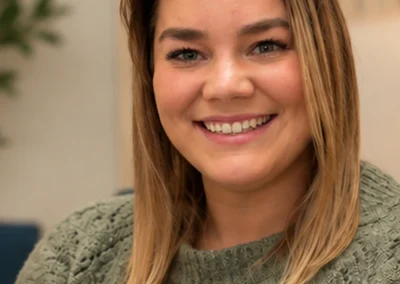
Therapists Who Work With Older Adults at Attuned Therapy + Wellness


Frequently Asked Questions About Older Adult Therapy in Ontario
Is therapy helpful for older adults?
Yes. Therapy can be helpful at any stage of life, including older adulthood. Many older adults seek support when they are experiencing grief, anxiety, depression, loneliness, health-related changes, relationship challenges, retirement transitions, or difficulty adjusting to changes that come with aging.
Mental health remains important throughout the lifespan, and emotional challenges are not simply a normal or unavoidable part of growing older. Supportive therapy can help older adults improve emotional wellbeing, strengthen relationships, process difficult experiences, and reconnect with meaning and purpose.
What are common reasons older adults seek therapy?
Older adults may come to therapy for many different reasons. Some are navigating significant life changes, while others are seeking support for emotions or experiences they have carried for many years.
Common concerns include grief and loss, retirement transitions, anxiety, depression, loneliness, caregiver stress, changes in health, relationship challenges, trauma, identity changes, and adjusting to a new stage of life.
At Attuned Therapy + Wellness, we understand that aging is not just about changes in circumstances—it is also about identity, relationships, memories, and the meaning we create throughout our lives.
Can therapy help with grief after losing a spouse or loved one?
Yes. Grief counselling in Ontario can provide meaningful support after the loss of a spouse, family member, friend, or someone who has played an important role in your life.
Grief can affect your emotions, daily routines, relationships, sense of identity, and connection to the world around you. Therapy can provide a compassionate space to process loss, honour your relationship, and adapt to life after change.
Healing from grief does not mean forgetting someone you love. Many people find healing by creating new ways to carry memories, values, and connections forward.
Is grief a normal part of aging?
Experiencing grief is a natural part of being human, and many older adults experience significant losses throughout later life. These may include the death of loved ones, changes in health, retirement, changes in independence, or shifts in important relationships.
However, ongoing sadness, anxiety, loneliness, or difficulty adjusting should not simply be dismissed as "part of getting older." Support is available, and therapy can help you navigate these experiences with compassion and understanding.
Can therapy help older adults with anxiety or depression?
Yes. Anxiety and depression can affect older adults, and they are treatable mental health concerns.
Life transitions such as retirement, health changes, caregiving responsibilities, grief, financial concerns, and changes in social connection can contribute to increased stress, anxiety, or low mood. Therapy can help you understand what may be contributing to these feelings and develop healthier ways of coping.
Can therapy help with loneliness and isolation in older adults?
Yes. Loneliness and social isolation can have a significant impact on emotional wellbeing. Older adults may experience changes in connection due to retirement, mobility changes, health concerns, loss of loved ones, or changes in family relationships.
Therapy can provide a supportive and confidential space to explore feelings of loneliness, reconnect with your sense of identity, and discover meaningful ways to strengthen connection and purpose.
Is it too late to start therapy later in life?
No. It is never too late to seek support, develop greater self-understanding, or work through experiences from your past.
Many older adults begin therapy later in life to process grief, trauma, relationship patterns, regrets, life transitions, or emotions they may not have previously had space to explore.
Therapy can provide an opportunity to reflect on your life story with compassion and create meaningful change at any age.
Can therapy help with retirement and adjusting to aging?
Yes. Retirement and later-life transitions can bring both exciting opportunities and unexpected emotional challenges.
Many people find that retirement changes more than their schedule—it can change their sense of identity, purpose, routine, relationships, and how they see themselves.
Retirement counselling in Ontario can help you explore this transition, reconnect with your values, and create a meaningful next chapter.
Do you offer virtual therapy for older adults across Ontario?
Yes. Attuned Therapy + Wellness provides virtual therapy for older adults throughout Ontario, including individuals living in rural communities such as Bruce County and surrounding areas.
Virtual therapy can make mental health support more accessible for older adults who experience transportation challenges, mobility concerns, live in smaller communities, or prefer the comfort and privacy of their own home.
Can older adults heal from trauma experienced earlier in life?
Yes. Many older adults carry experiences from childhood, relationships, family dynamics, or difficult life events that continue to affect their emotions, relationships, or sense of self.
A trauma-informed approach recognizes that healing can happen throughout the lifespan. Therapy can provide a safe space to explore past experiences, develop self-compassion, and build a stronger connection with yourself.
What therapy approaches support older adults?
Therapy is personalized based on your experiences, goals, and needs. Approaches that may support older adults include Internal Family Systems (IFS), EMDR, CBT, Brainspotting, attachment-focused therapy, Compassionate Inquiry, mindfulness-based approaches, and nervous system regulation strategies.
Our focus is not only on reducing symptoms, but on understanding your story, your relationships, and the experiences that have shaped who you are today.
Virtual Therapy for Older Adults Across Ontario
Accessing therapy later in life should not depend on where you live or how far you are able to travel.
Attuned Therapy + Wellness provides secure virtual counselling for adults across Ontario, including individuals living in rural communities and smaller towns.
Online therapy can provide a comfortable and accessible option for those who prefer support from home or who face barriers accessing local services.
Psychotherapy
Contact
(226) 396-2200
hello@attunedtherapy.ca
1802 Highway 21, Kincardine ON N2Z2X4